NBA Live Betting Strategy: Reading the Game in Real Time
 Available in US
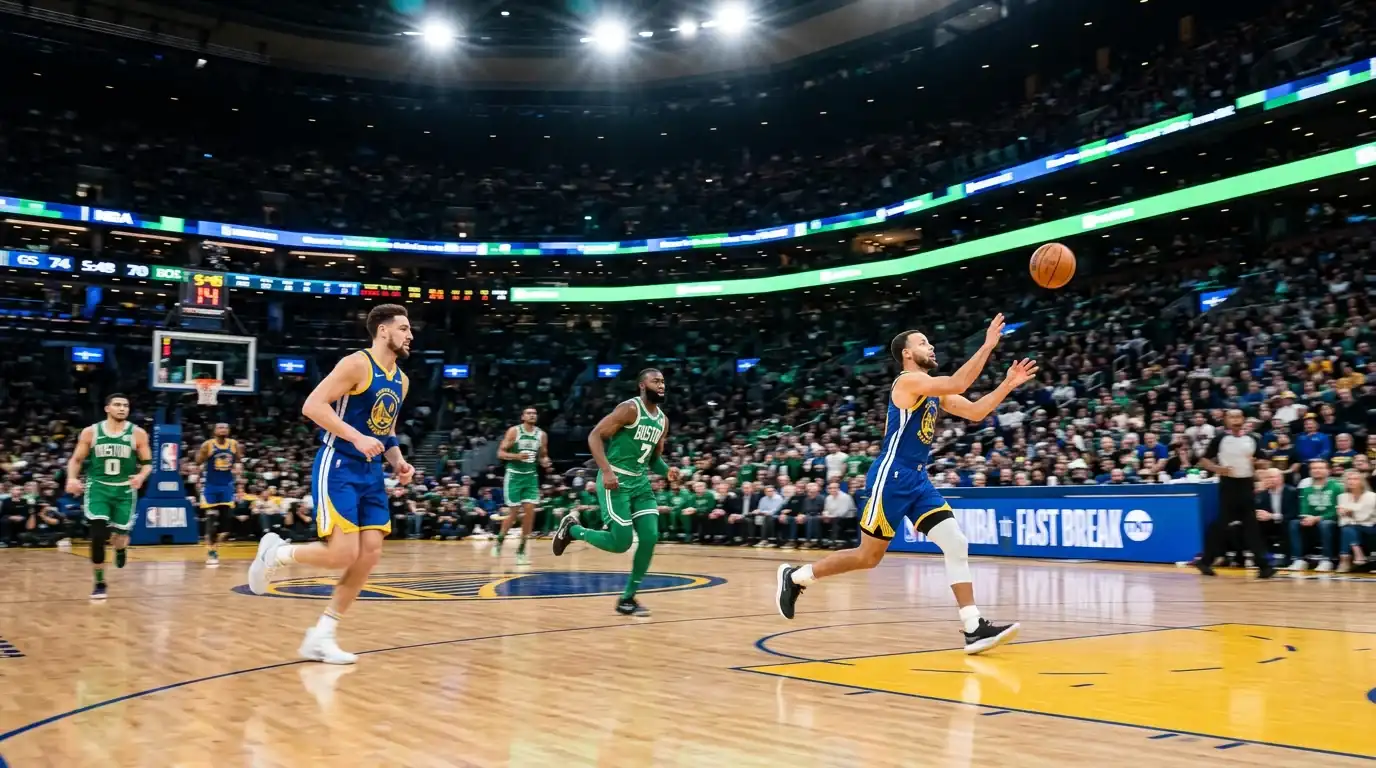
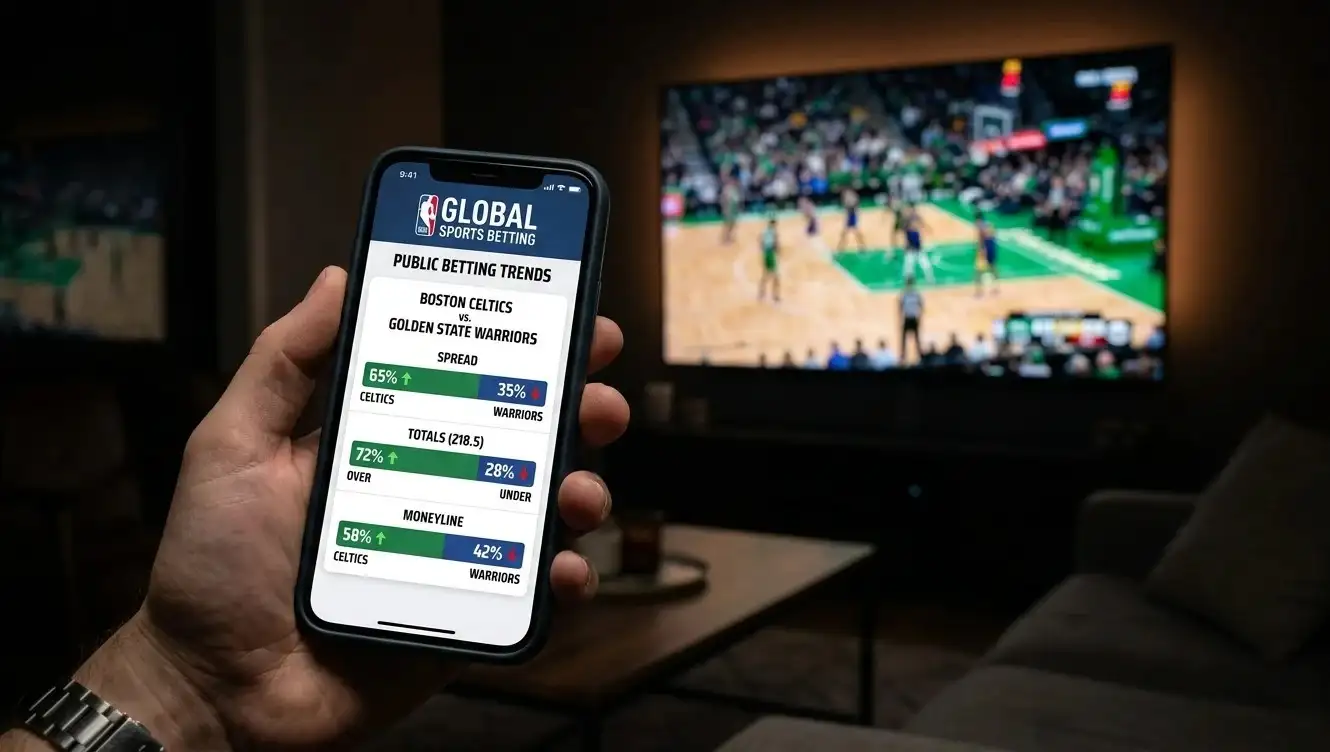
I placed my first serious NBA in-play bet during a late December game, sitting on my sofa at 1am, watching a team come back from 18 down in the third quarter against an opponent that had clearly stopped defending. I had identified the pattern mid-game — the trailing team was getting every offensive rebound, the leading team’s starters had fouled out two key defenders — and the live spread was still massive. That bet won, but more importantly it taught me something: in-play markets are consistently slower than the game itself.
That lag is where the edge lives. And with mobile betting now accounting for 78% of all online sports bets globally, the NBA has become one of the most actively traded live sports markets in the UK. More volume should mean more efficiency, but the opposite is often true for in-play — faster information creates more panic moves, and panic moves create mispricing.
Understanding How Live NBA Markets Work
Before you can exploit in-play markets, you need to understand their mechanics. When you bet pre-game, the bookmaker has had hours to set their line with full information. When you bet in-play, they’re repricing every few minutes — sometimes every few seconds — based on a combination of automated models and human traders.
The automated model is good at tracking the score and time remaining. It’s less good at detecting game-within-a-game situations that a close observer can spot. A team that’s down 12 in the second quarter but has just switched defensive scheme, started getting stops, and has its best players on the floor is not in the same position as a team that’s down 12 and falling apart. The scoreboard says the same thing. The live market might treat them identically. The informed bettor doesn’t.
There’s also a fundamental tension in live markets around streaming delays. If you’re watching via a bookmaker’s own stream, you’re typically seeing the action 30 to 90 seconds behind real time. That delay matters enormously for in-play betting. If a key player gets injured at the 8-minute mark of the third quarter and you’re watching a delayed stream, the market may have already moved by the time you see it. Check whether your device and your bookmaker’s app are synced to a genuinely live feed before you treat your visual read of the game as a live information edge.
Among the 18-to-24 age group in the UK, 76% use mobile for all their gambling — these are fast-moving digital natives who are also your competition in live markets. The speed of the platform matters. An app that lags, locks up during high-action moments, or takes three taps to confirm a bet is costing you real money in in-play markets where windows can close in under a minute.
Reading Momentum Shifts Before the Odds React
Momentum in basketball is one of the most overused words in sports broadcasting and one of the most genuinely useful concepts in in-play betting, if you understand what you’re actually tracking.
Momentum isn’t about feel or energy. It’s about specific, observable patterns: which team is generating the higher-quality possession sequences, who is winning the battle on the offensive glass, whether the pace of the game is changing. When these patterns shift against what the current score suggests, the live line is often slow to catch up.
The most reliable signal I’ve found is a 7-0 or 8-0 scoring run during a period where the structure of the game has changed rather than just the score. A random 7-0 run in the first quarter of a competitive game often gets reversed quickly. A 7-0 run in the third quarter following a timeout by the trailing team’s best coach, who has just installed a zone defence the opposing offence hasn’t prepared for, is a qualitatively different situation. The market sees points on a board. You see cause and effect.
Foul trouble is another in-play variable that the automated model handles crudely. When a team’s primary interior defender picks up their third foul in the first half, what happens next depends entirely on the coaching decision: do they sit the player for the rest of the first half, risking a 12-point deficit, or keep them on the floor with the risk of a fourth foul? That decision-making uncertainty is not captured well by a model that just sees “player X has 3 fouls.” A bettor who understands how specific coaches handle that scenario has an information advantage.
Quarter and Half-Time Betting Markets
Quarter markets are the most structurally underpriced in-play segment of NBA betting, in my experience. Bookmakers set quarter totals and spreads based on extrapolations from the game line, but basketball is not evenly distributed across quarters — pace, lineup patterns, and strategic behaviour all vary significantly by game period.
The fourth quarter is where this is most pronounced. Teams with big leads often play slower, hold the ball, and intentionally give up uncontested baskets to drain the clock. Teams chasing the game foul deliberately. The result is that fourth-quarter totals often diverge significantly from a straight extrapolation of the pace in the first three quarters. The market hasn’t always adjusted for this.
Half-time markets open during the break and close quickly. That 15-minute window is when bookmakers are recalibrating without full information from the second half’s matchup adjustments. If you’ve been watching the game closely and have a clear read on what’s happening tactically — for example, a team that has been systematically exploiting a mismatch that the opposing coach hasn’t addressed — the half-time line might still be based on first-half averages rather than the genuine structure of the game.
Timeout usage is another real-time signal worth tracking. Coaches call timeouts for specific reasons — to stop a scoring run, to set up a play in a tight late-game situation, or to give rest to a player in foul trouble. When a team burns two timeouts in the first half, they’re entering the second half with limited ability to stop momentum shifts. Bookmakers don’t track timeout availability in their live models; they track points and time. That gap is information.
One practical discipline I’ve developed for live NBA betting: decide before the game starts which situations would trigger a live bet. What exactly has to happen for me to bet this game in-play? Having a pre-defined thesis — for example, “I’ll bet the under live if both teams are below 50 combined points at half-time in this specific matchup” — stops you from making reactive decisions driven by the excitement of a close game. The worst in-play bets I’ve placed were the ones made purely because a big moment just happened and the odds looked temporarily appealing.
In-play NBA strategy connects closely with back-to-back scheduling, because teams in the second game of a back-to-back often show fatigue patterns most visibly in the third and fourth quarter. The guide on NBA back-to-back betting strategy covers the pre-game angle on this in detail, but the same logic applies to watching how these teams perform in real time during the second half.
Which UK bookmakers offer the best NBA in-play markets?
Most major UKGC-licensed bookmakers cover NBA in-play, but depth varies significantly. The key factors to assess are: how many in-play markets are available beyond just the game line (quarter spreads, alternative totals, player props in-game), how quickly the platform suspends markets during stoppages, and whether streaming is available. Larger operators tend to offer more in-play market variety, but mid-tier operators sometimes offer more competitive in-play pricing on secondary markets.
How quickly do in-play basketball odds change after a score?
In major NBA games, automated pricing models can reprice within seconds of a score. However, there is often a brief window — sometimes 10 to 30 seconds — before markets are updated, particularly after unusual game events like a technical foul, a flagrant review, or an injury. Streaming delays mean that if you are watching the game through the bookmaker’s own feed, you may be seeing events 30-90 seconds after they happened, by which point the market may have already moved.
Prepared by the Basketball Betting Strategies editorial staff.